
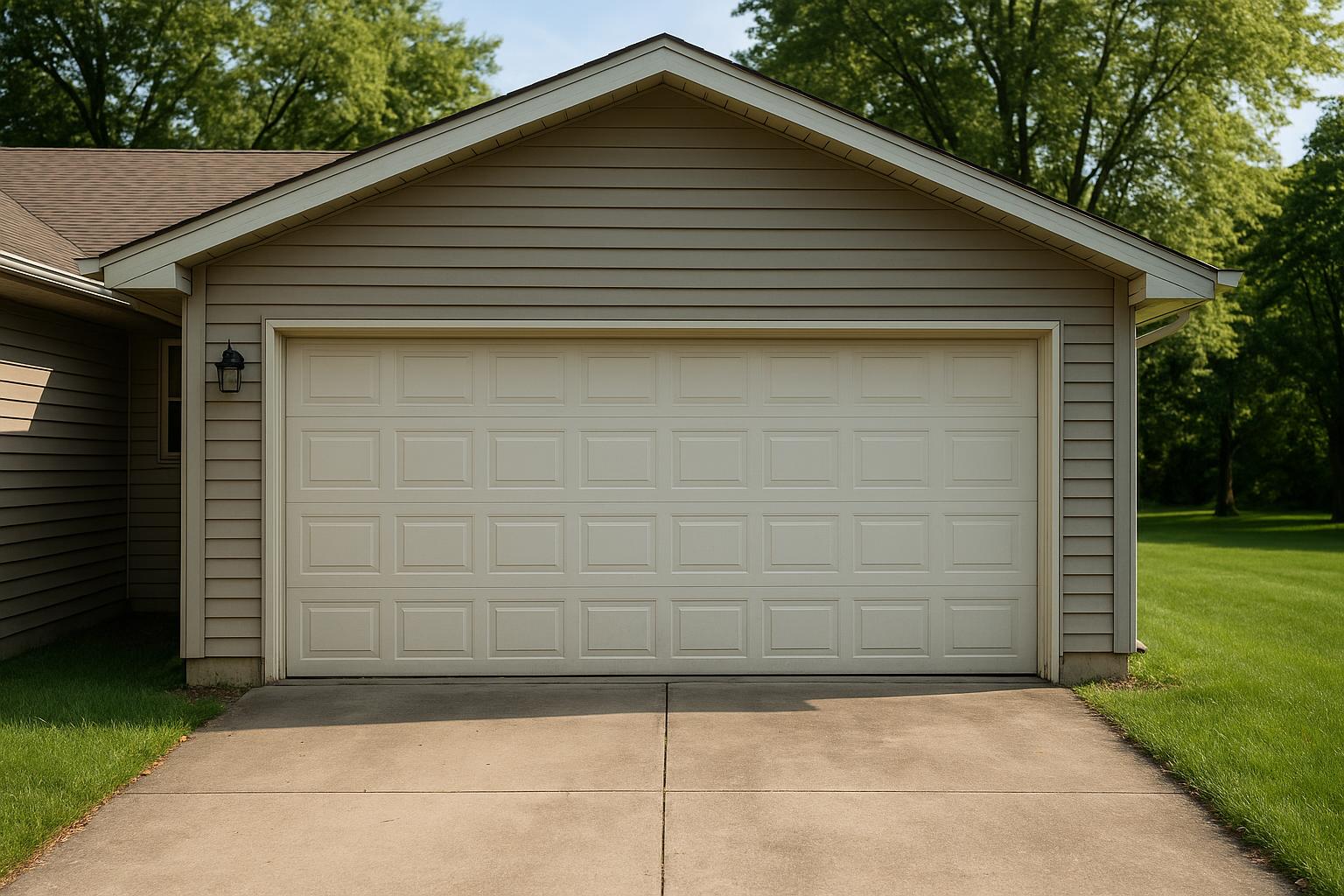
Your Garage Door Has an Expiration Date
Most homeowners don't think much about their garage door until something goes wrong. It opens, it closes, and life goes on. But like every major component of your home, your garage door has a finite lifespan — and knowing where yours stands can help you plan ahead, avoid unexpected breakdowns, and make smarter decisions about repairs versus replacement.
If you live in St Joseph, MO, your garage door deals with a wide range of weather conditions throughout the year — from humid summers to freezing winters. These seasonal swings play a real role in how long your door lasts. So let's break down what you can realistically expect and what factors influence the timeline.
The Average Lifespan of a Garage Door
A well-maintained garage door typically lasts 15 to 30 years, depending on the material, usage, and how well it's been cared for. That's a wide range, and where your door falls on that spectrum depends on several key factors.
Material Matters
- Steel doors are the most common in our area and generally last 20 to 30 years. They're durable, low-maintenance, and hold up well against Missouri's weather — though they can dent and may rust if the finish is compromised.
- Wood doors are beautiful but require more upkeep. Without regular staining or painting, wood can warp, crack, or rot, especially with our humid summers. Expect 15 to 20 years with diligent maintenance, less without it.
- Aluminum doors are lightweight and resist rust, but they dent easily and may not insulate as well. They typically last 15 to 25 years.
- Fiberglass and vinyl doors resist denting and moisture but can become brittle over time, particularly in cold weather. Lifespan ranges from 15 to 25 years.
How Often You Use It
The average household opens and closes their garage door about 1,500 times per year. If you use yours as your primary entrance — which many families in St Joseph do — that number can be significantly higher. More cycles mean more wear on springs, cables, rollers, and the opener. A door that gets heavy daily use will naturally age faster than one on a detached garage that's opened a few times a week.
What Shortens Your Garage Door's Lifespan
Several factors can cause your garage door to wear out faster than expected. Being aware of them can help you take preventive action.
Lack of Maintenance
This is the single biggest factor most homeowners overlook. Garage doors have moving parts — springs, rollers, hinges, cables, and tracks — that need periodic attention. Lubrication, tightening hardware, and checking balance should be done at least once or twice a year. Skipping maintenance doesn't just shorten the life of individual components; it puts extra strain on the entire system, including the opener.
Weather and Climate Exposure
Here in St Joseph, we get the full range — heat, cold, rain, ice, and wind. Temperature fluctuations cause metal parts to expand and contract, which accelerates wear. Moisture can lead to rust on steel components and rot on wood. If your garage faces west or south, sun exposure can also fade and degrade the door's finish over time.
Ignoring Small Problems
A small issue like a slightly misaligned track or a worn roller might not seem urgent, but left unaddressed, these problems create a chain reaction. The opener works harder, the springs wear unevenly, and what could have been a simple repair turns into a much larger — and more expensive — problem.
Impact Damage
Whether it's a basketball, a bike, or a bumper, physical damage to panels can compromise the door's structural integrity and insulation. Even cosmetic dents can allow moisture to penetrate, leading to rust or further deterioration.
Signs Your Garage Door Is Reaching the End
Wondering whether your door still has years left or is living on borrowed time? Here are some telltale signs it may be time to start thinking about a replacement:
- Frequent repairs: If you're calling for service multiple times a year, the cost of ongoing repairs may exceed the value of the door.
- Visible sagging: Disconnect the opener and manually lift the door halfway. If it doesn't stay in place, the door or its counterbalance system is failing.
- Increased energy bills: Older doors often lack proper insulation. If your attached garage feels noticeably hotter in summer or colder in winter, your door may be the culprit.
- Outdated safety features: Doors manufactured before 1993 may not have auto-reverse sensors, which are now required by federal law. This is both a safety concern and a sign of an aging system.
- Persistent rust or rot: Surface rust can sometimes be treated, but widespread corrosion or wood rot usually means the door is past the point of cost-effective repair.
- Excessive noise or shaking: While some noise issues can be fixed, a door that vibrates heavily or operates roughly despite maintenance may be structurally compromised.
Repair or Replace? How to Decide
This is the question we hear most often from homeowners in St Joseph and surrounding communities like Savannah, Country Club, and Agency. There's no one-size-fits-all answer, but here's a practical framework:
Consider repairing if the door is under 15 years old, the issue is isolated (a single component failure), and the rest of the door is in good condition.
Consider replacing if the door is over 20 years old, you're facing multiple issues at once, the door lacks insulation or modern safety features, or repair costs are approaching 50% of a new door's price.
A new garage door is also one of the best home improvement investments you can make. According to Remodeling Magazine's annual Cost vs. Value report, a garage door replacement consistently ranks among the top projects for return on investment — often recouping over 90% of the cost at resale.
How to Get the Most Life Out of Your Garage Door
Whether your door is brand new or already a decade old, these habits will help maximize its lifespan:
- Schedule annual maintenance. A professional tune-up catches small issues before they become big ones. This includes lubricating moving parts, checking spring tension, inspecting cables, and testing safety features.
- Keep it clean. Wash your door a couple of times a year with mild soap and water. For wood doors, inspect the finish annually and reapply stain or paint as needed.
- Watch the weatherstripping. The rubber seal along the bottom of your door keeps out moisture, pests, and drafts. Replace it when it cracks or pulls away.
- Don't ignore changes. If your door starts behaving differently — moving slower, making new sounds, or not sealing properly — address it promptly rather than waiting.
- Mind the balance. An unbalanced door puts unnecessary strain on the opener and springs. If the door feels heavy when lifted manually or drifts up or down on its own, have a technician adjust it.
We're Here When You Need Us
At St Joseph Garage Door Pro, we help homeowners across St Joseph, Elwood, Wathena, and the surrounding area get the most out of their garage doors — whether that means a simple tune-up, a targeted repair, or a full replacement when the time is right. We'll always give you an honest assessment and help you make the decision that makes the most sense for your home and your budget.
If your garage door is getting up there in years and you're not sure where it stands, give us a call. We'll take a look and let you know exactly what you're working with — no pressure, no surprises.